
When creating things such as booklets, pamphlets, and magazines, designers must take into consideration the binding that keeps all the pages together. This can range from simple methods to more advanced, and the price increases on this scale as well. It’s important to think about what kind of binding methods you want to pull off for your project beforehand so you can plan and design accordingly.
Saddle Stitched

Saddle stitching is one of the most common and economical binding methods. It is done by punching wire through the document’s spine, then bending the wire flat on the inside center fold so that all the pages are gripped. While it may look similar, this is a different method than stapling. This is also one of the cheapest methods available.
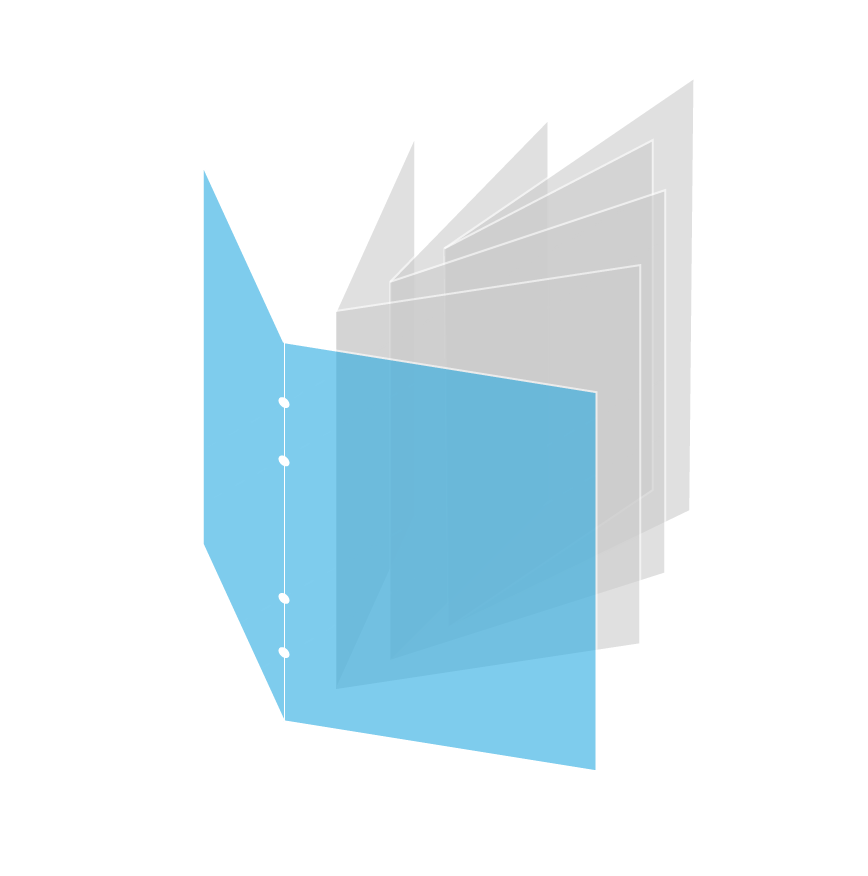
Loop Stitched

Loop stitching can be compared to saddle stitching in technique and cost, but the end result is a very different effect. Loops are created with wire along the spine in order to insert and secure the document into a 3-ring binder. This method of binding is a good option for document installments that need to be added to a larger collection.
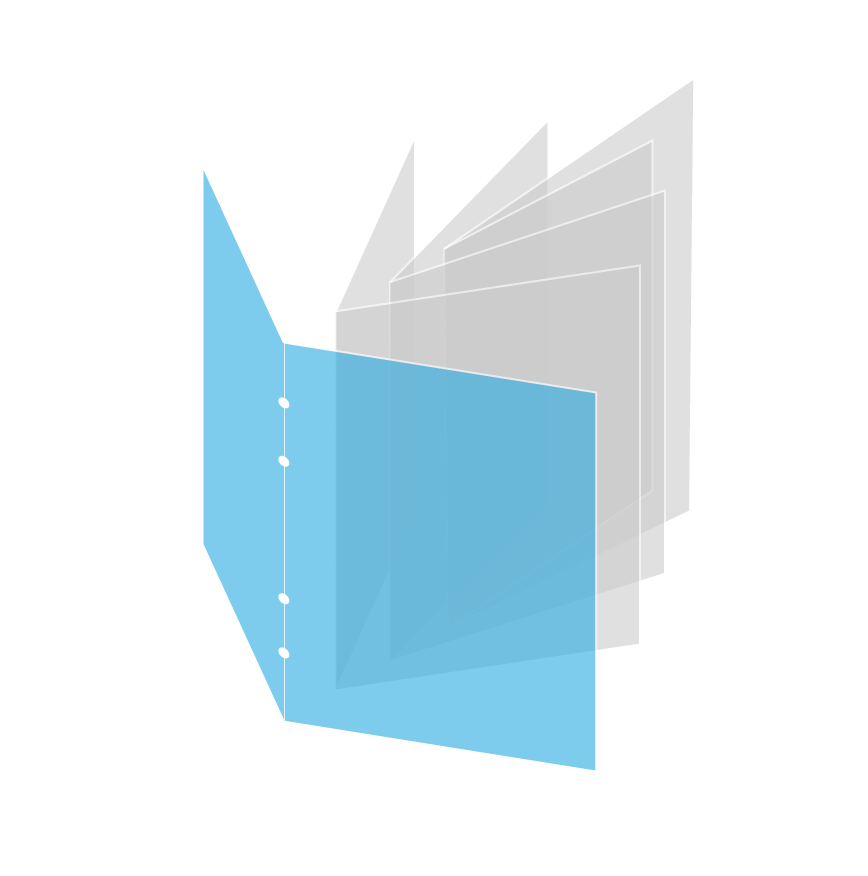
Stab Stitched / Side Stitched

The terms stab and side stitching are often used interchangeably, and it is when a wire or thread is stabbed into the front cover, through the pages, and out the back cover of the document rather than through the spine. This method is usually covered to hide unflattering wire that is used, but when thread is used it is often made into patterns and designs for a more handmade look. Again, this is a very cheap and practical option for book binding.
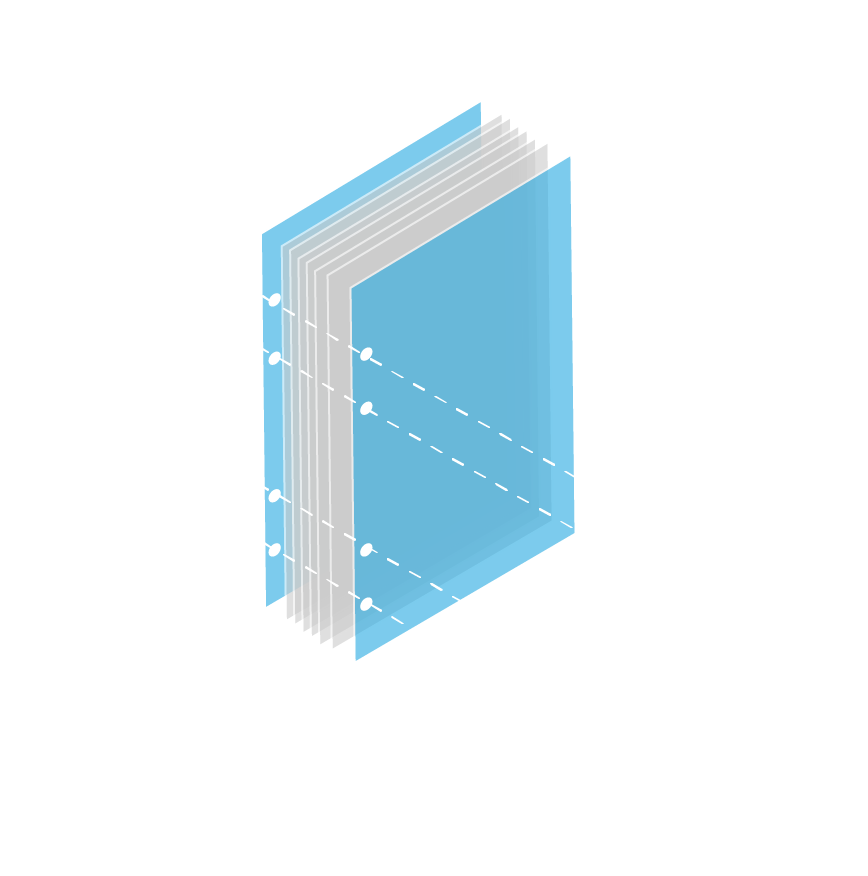
Sewn Bound
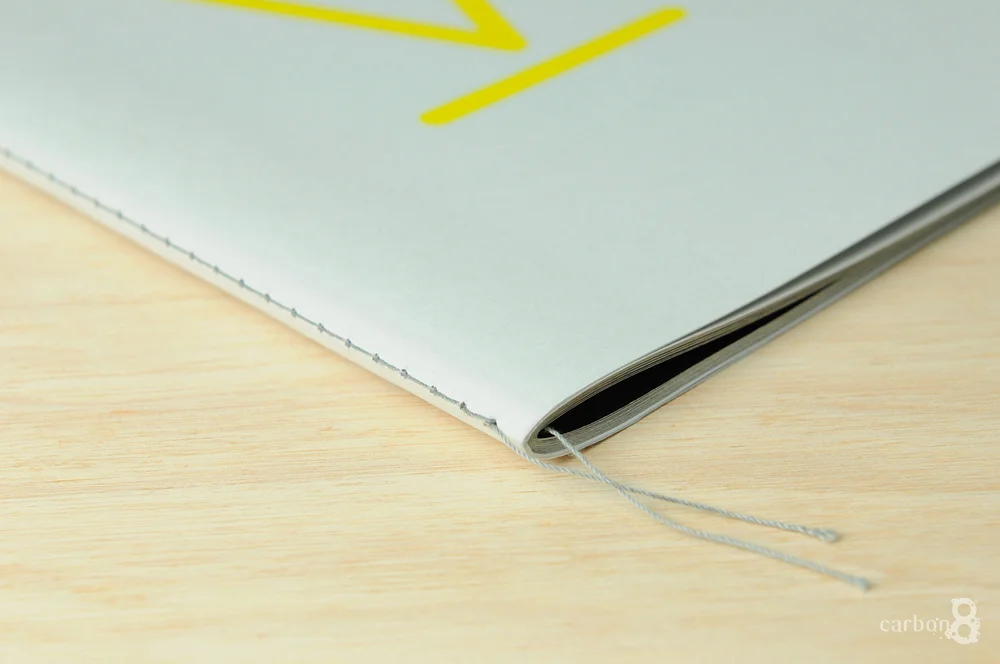
Sewn binding is similar to saddle stitching, but uses thread to stitch the entire spine rather than piercing the spine with a wire. The more pages that are added to a sewn bound document, the more it begins to resemble case binding but without the hardcover. This is quite an expensive method due to the time and precision it takes.
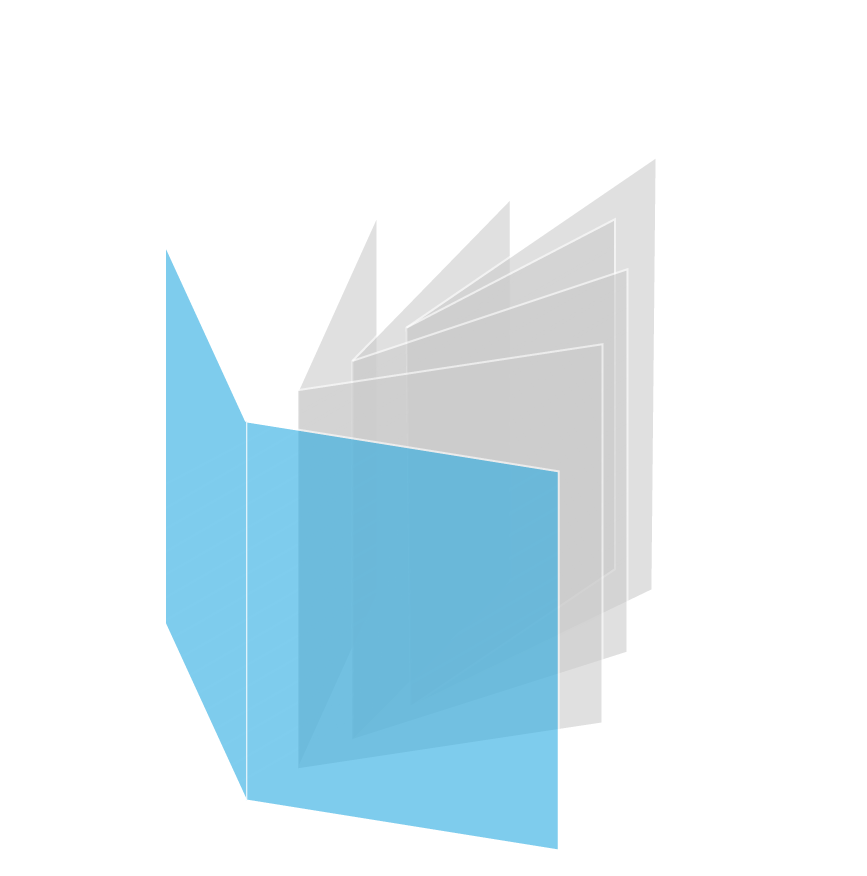
Perfect Bound
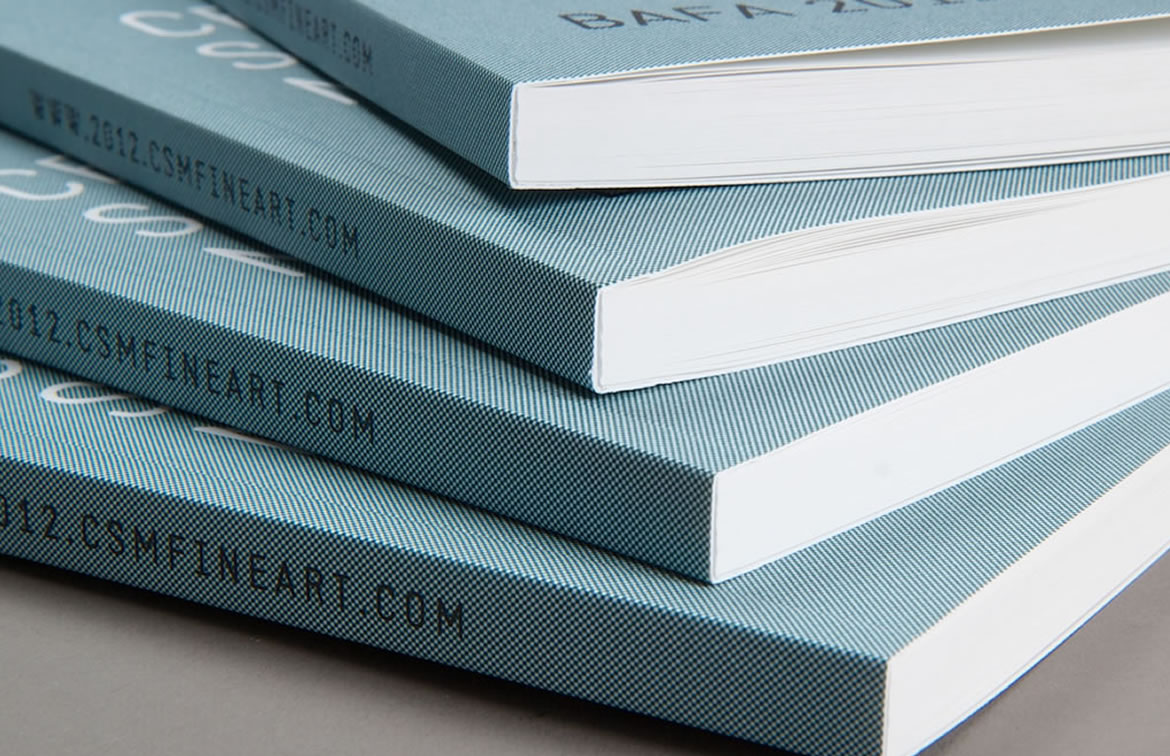
Perfect bound books consist of sections of folded pages (signatures) that have their spines trimmed off and roughed up so that they can be bound with glue. All these sections are joined together and glued to a wrap-around cover. This cover is scored on the front and back of the cover to eliminate stress on the spine and assist in the ease of opening the book. This option is cheaper than some, but still pricier than going the standard route such as saddle stitching.

Tape Bound

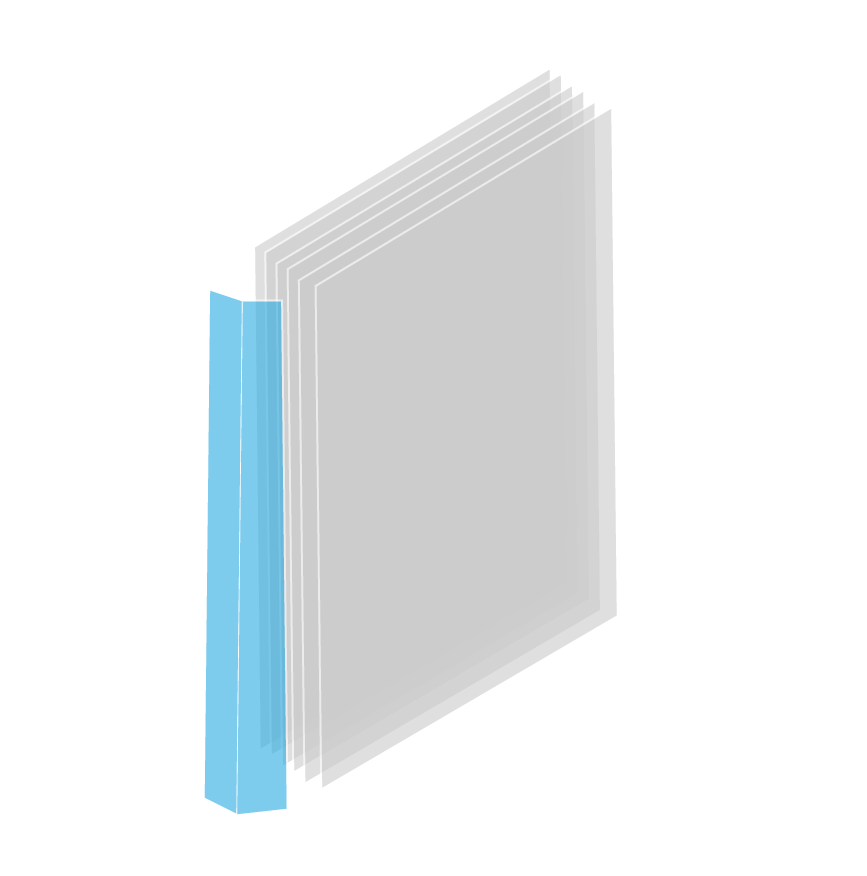
Tape binding is fairly self-explanatory: An adhesive tape is wrapped around the spine of the book to hold the covers and inside pages in place. Usually, these pages are stitched together beforehand to help the tape and provide added strength to the document. Tape binding is comparable to perfect binding in price.
Screw Bound

Screw binding is also known as post binding or stud binding. In this method, holes are drilled through the full stack of pages in the document. Then, a barrel post is inserted through the holes and a cap screw is added to the post to hold everything together.
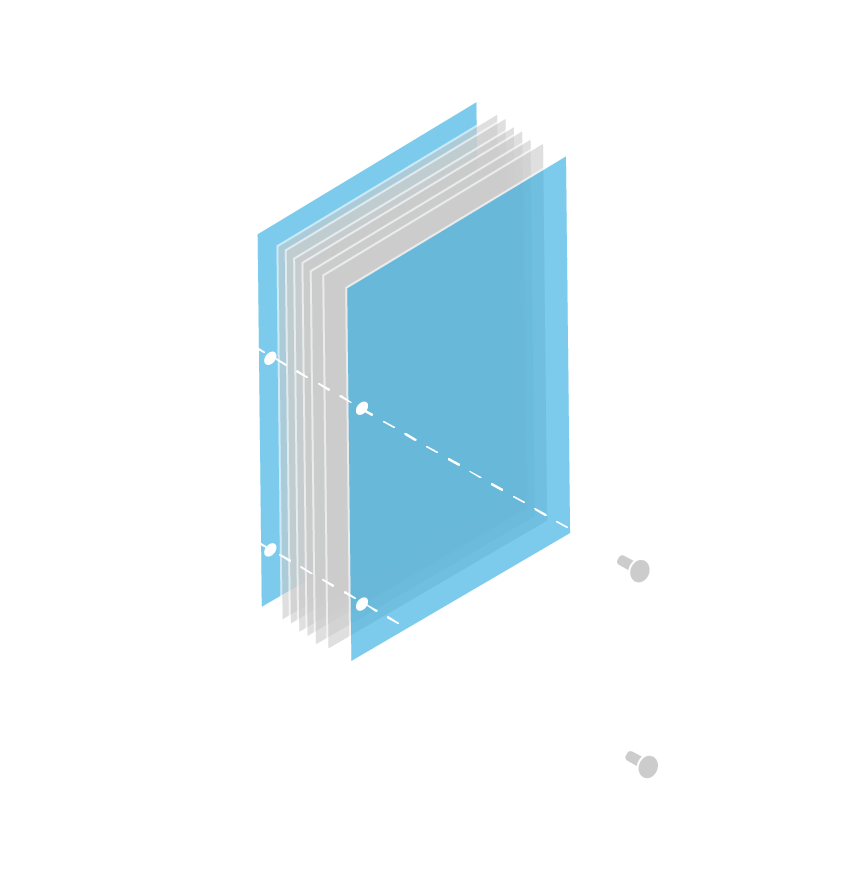
This method of binding is very expensive and not very practical. Therefore, it is often used for swatch books and other more pricey documents.
Hardcover / Case Bound

Hardcover or case bound books often use standard binding. There are several types to choose from, but it often involves sewing the pages of the book together in sections and gluing the ends of these sections to the hardcover’s spine. This is the priciest method of binding, along with sewn binding.
Plastic Grip

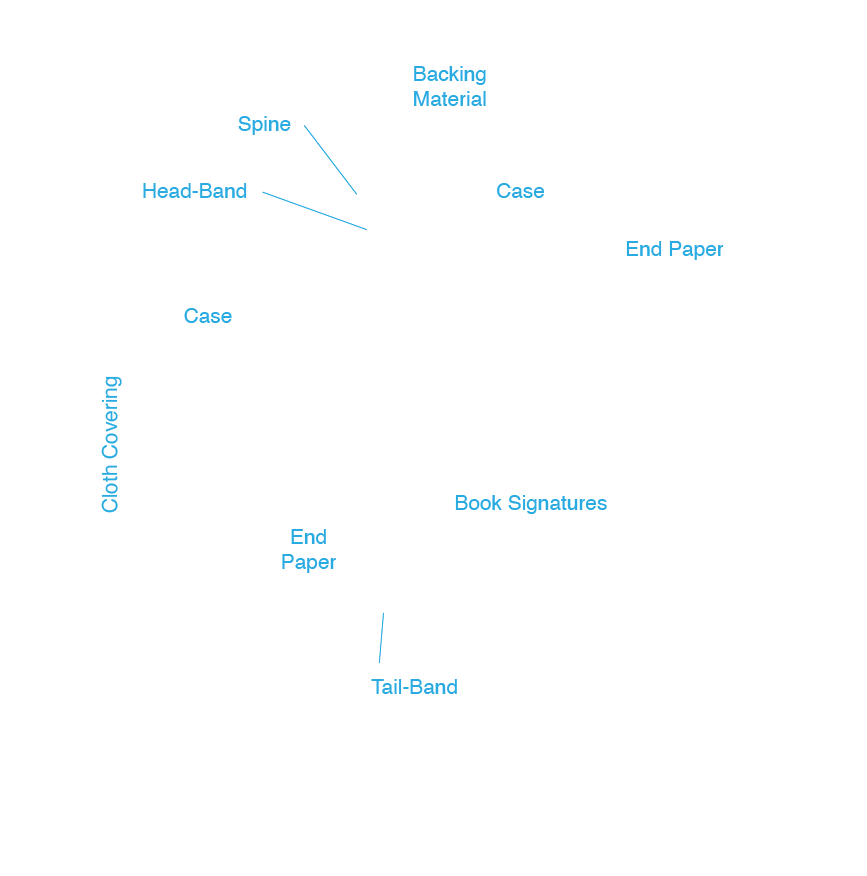
Plastic grip binding is a very simple, easy, and practical method that uses a molded 3-sided plastic spine. The two vertical strips are pried apart and the entire document is placed through the plastic grip until it covers the full length of the spine. This method of binding is very quick, easy, and cheap, making it a good option for papers and other school deliverables.
Comb Bound / Plastic Bound

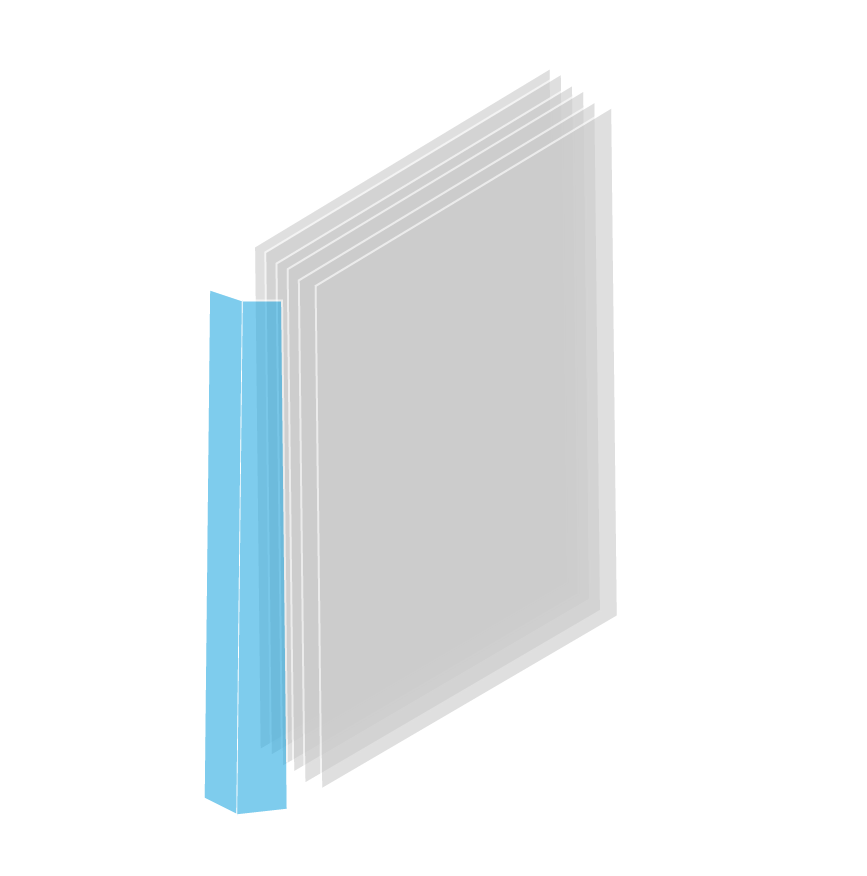
Comb or plastic binding is an economical method that works for manuals and books that need to lay flat when they are open. Rectangular holes are punched through the document, and the plastic rings are threaded through the holes. In this method, the page’s edges at the spine are covered by the plastic comb. This is a cheaper option compared to spiral and wire binding.
Spiral Bound / Coil Bound

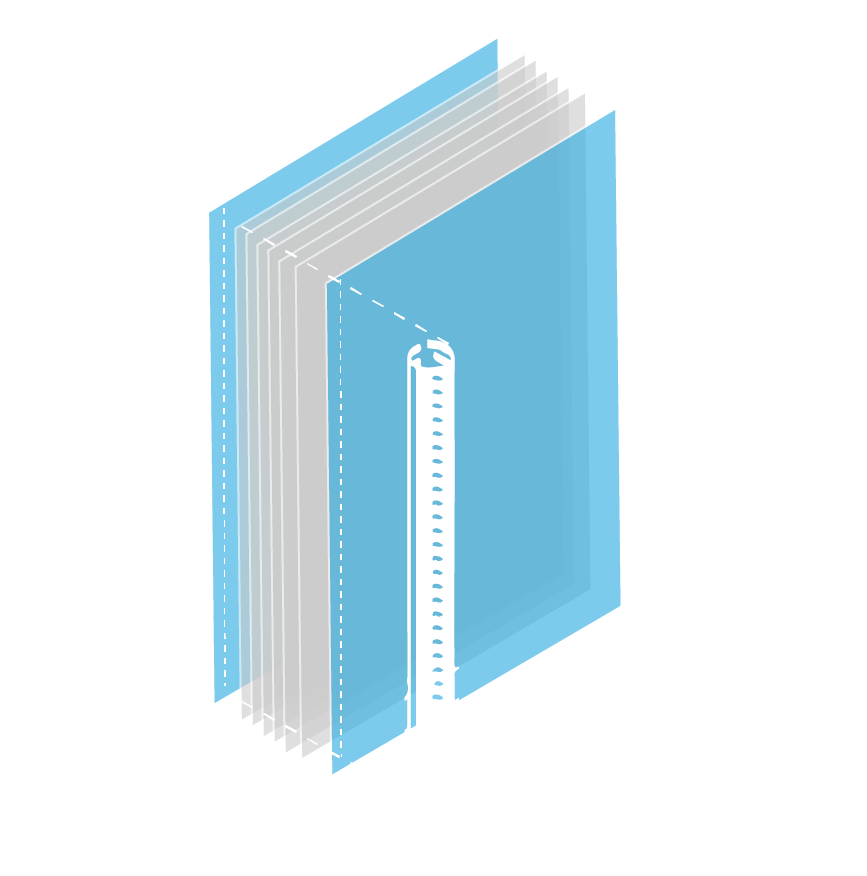
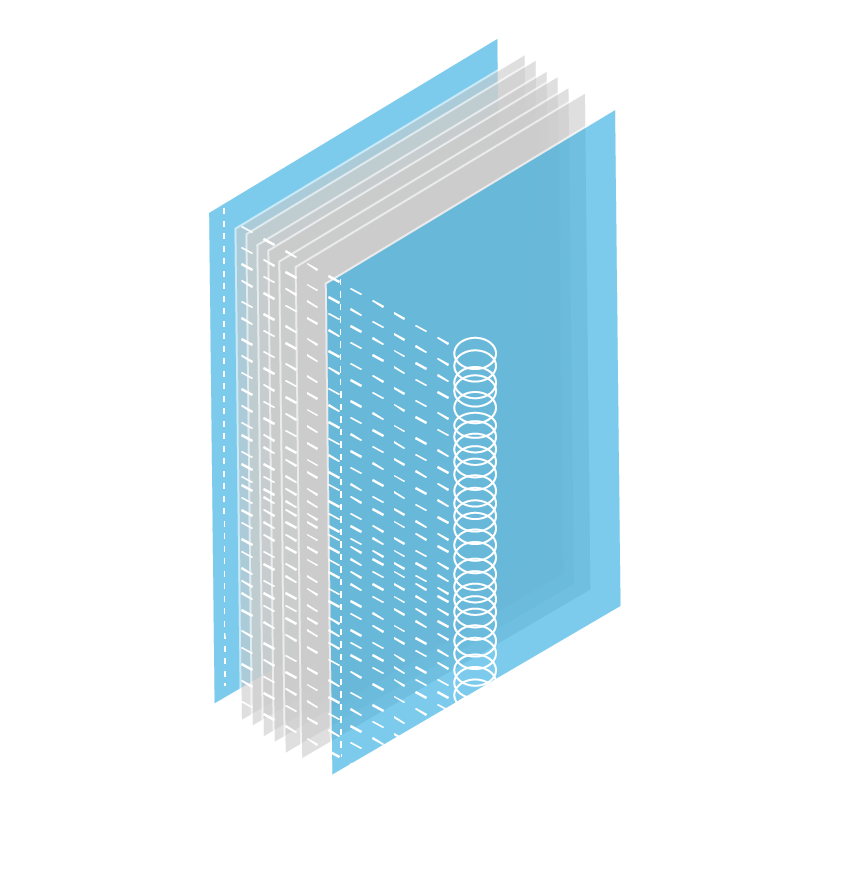
Spiral bound or coil bound documents utilize a smooth, round coil that holds the pages together. Like comb binding, this method allows the document to lay flat when it is open. However, spiral binding allows the pages to be turned all the way around to the back as well. Wire is threaded through punched holes and the ends of the wire are crimped to prevent it from slipping off the spine. These spirals/coils are available in a variety of different colors and materials. This method is more expensive than comb binding and comparable to wire binding.
Wire Bound

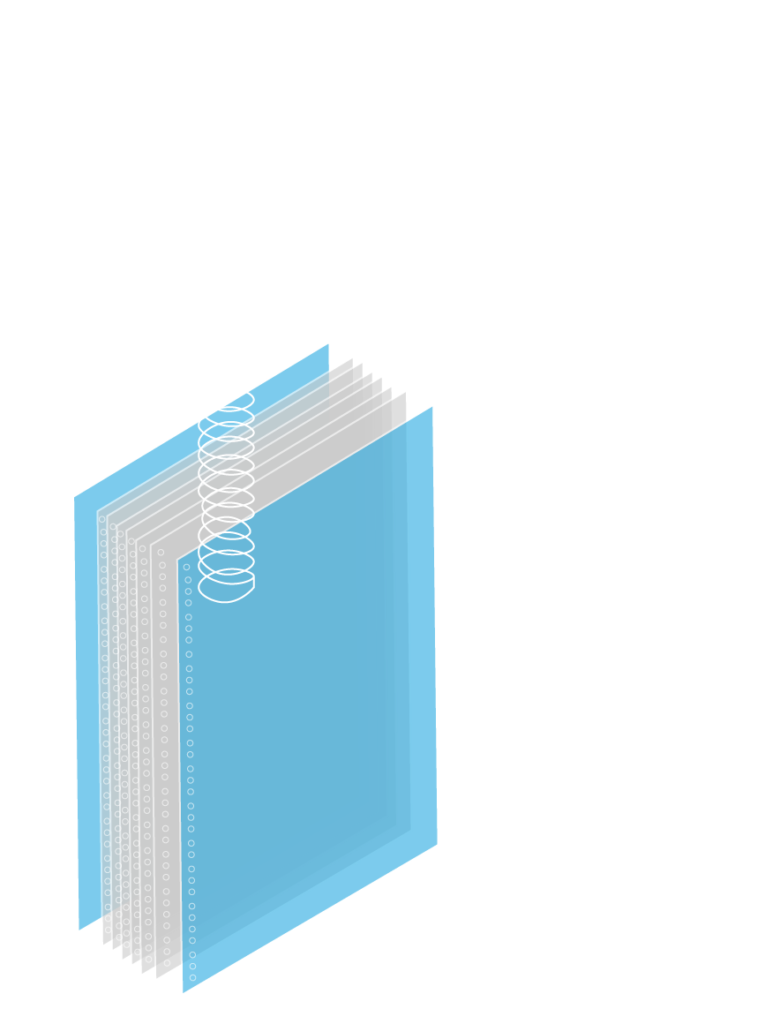
Wire-bound documents use formed wire that threads through punched holes, similar to both comb binding and spiral binding. However, this binding is not one long piece of wire threaded through the holes, it consists of multiple O-shaped wire loops that go through each of the holes. It also allows for books to lay flat when they are open, and the wire loops come in a variety of different colors.
Although there are many different kinds of binding, I hope this short breakdown of each kind helps you determine the best method for your project. Whether it be something simple and cheap like saddle stitching or something complex and expensive like screw binding, each method has its own beauty and craft and I hope you learn to appreciate each method in its glory.
References
Choosing the Right Binding Type – PDF, DI* https://ironmarkusa.com/resource/ultimate-guide-to-book-binding/